TL;DR: Improving loading dock safety requires facilities to address the way people, vehicles, equipment, and materials interact every day. EHS, warehouse, and logistics leaders can reduce risk by combining engineered safeguards with clear procedures, inspections, and practical employee training.
- Assess docks for fall, forklift, pedestrian, trailer, and material-handling hazards.
- Install physical safeguards where employees are exposed to dangerous edges.
- Establish consistent loading dock safety procedures across shifts.
- Inspect walking surfaces, dock equipment, barriers, and trailers regularly.
- Train employees around actual facility hazards and reinforce safe practices as operations change.
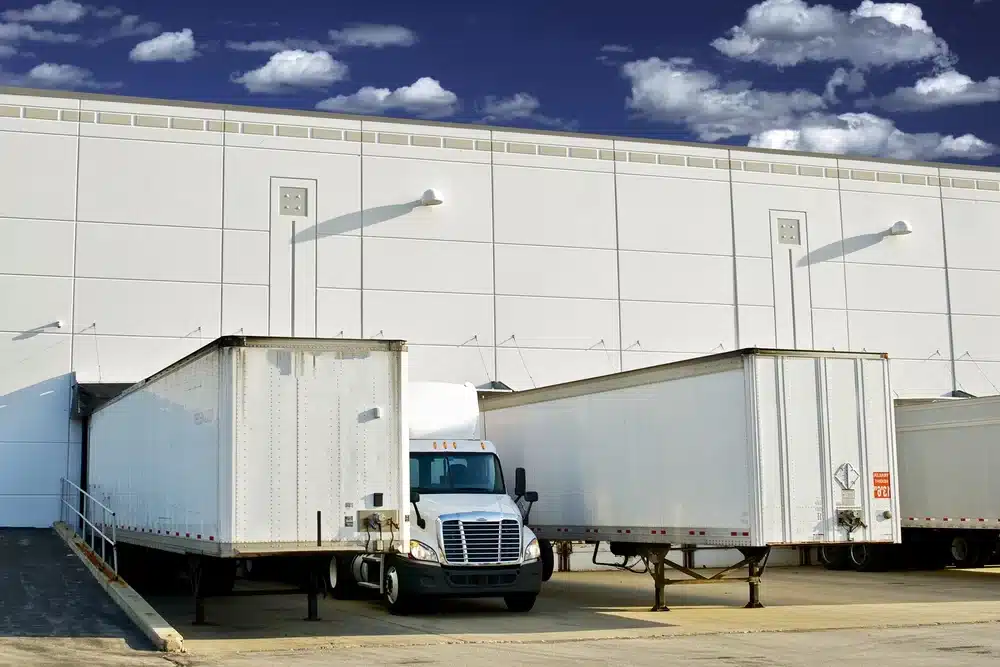
Loading docks bring trucks, trailers, forklifts, pedestrians, and heavy materials into a relatively small operating area. For steel companies, manufacturers, construction businesses, building suppliers, and distribution centers, that combination can create significant risks.
Falls from elevated surfaces, forklift incidents, unexpected trailer movement, damaged equipment, and slips or trips can all expose workers to injury.
OSHA notes that workers can be seriously injured or killed when forklifts overturn or fall from loading docks. For facility leaders, effective warehouse dock safety therefore requires more than signs or written policies. It requires practical controls incorporated into daily operations.
1. Conduct a Loading Dock Hazard Assessment
Start by examining how employees, vehicles, and materials actually move through the dock.
Look for unprotected edges, congested forklift routes, pedestrian crossings, poor lighting, damaged walking surfaces, unsecured trailers, unstable dockboards, and areas where employees climb onto trucks or trailers.
Assess the dock during different shifts and workloads. A process that appears controlled during a quiet period may create additional hazards when multiple trucks arrive or shipping volume increases.
Document identified hazards, assign corrective actions, and periodically reassess the area as equipment and operations change.
2. Address Fall Hazards With Physical Protection
Fall exposure should be a priority in any loading dock safety program.
Under OSHA’s general-industry walking-working surface rules, employees generally must be protected when exposed to an unprotected side or edge that is four feet or more above a lower level. Depending on the circumstances, acceptable systems can include guardrails, safety nets, or personal fall protection systems. OSHA also includes provisions specifically addressing loading docks and similar work areas.
Where practical, engineered barriers and guardrails provide a physical separation between employees and fall hazards. Mobile systems can be useful when facilities need protection that can be repositioned as workflows change.
Truck Fall Prevention provides engineered solutions for demanding industrial environments. Facilities can explore fall protection solutions for manufacturers designed around real-world operational requirements.
3. Improve Housekeeping and Surface Conditions
Effective loading dock safety tips do not always require complex changes. Maintaining clean, dry, unobstructed walking-working surfaces can eliminate preventable hazards.
OSHA requires walking-working surfaces to be maintained in a clean and orderly condition and, to the extent feasible, dry. Hazardous conditions must be corrected or guarded before employees use the affected surface again.
Facilities should create routine inspection procedures covering spills, debris, ice, damaged flooring, dock plates, lighting, and other conditions that can affect safe movement.
Most importantly, employees need a clear process for reporting hazards and determining when an area should be taken out of service.
4. Separate Forklifts and Pedestrians
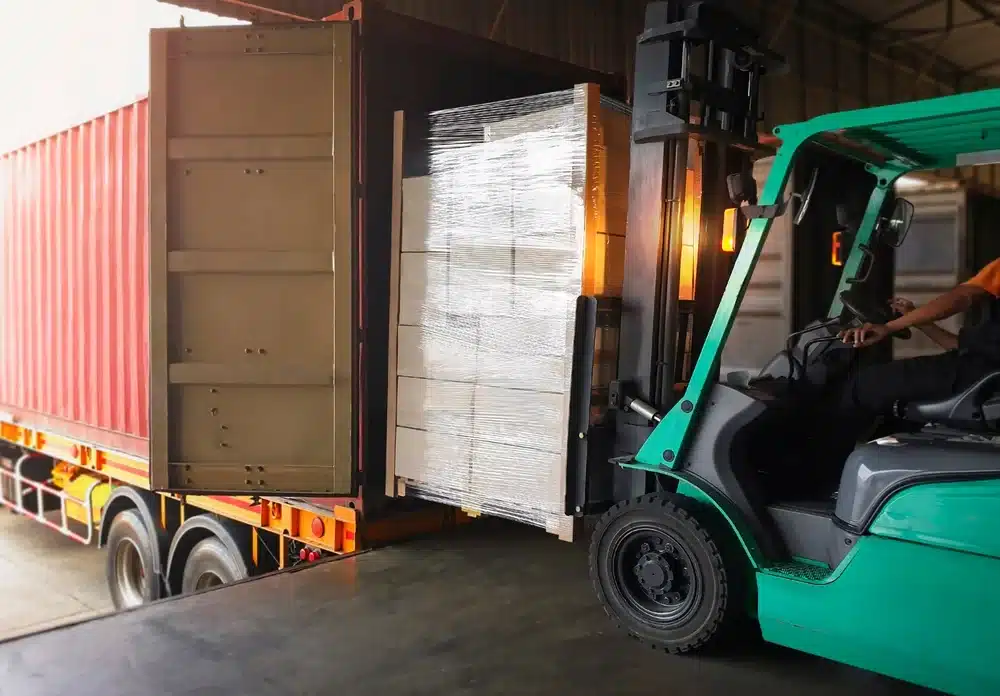
Loading docks frequently require forklifts and employees on foot to operate close together. Traffic controls can reduce unnecessary interaction.
Use designated pedestrian routes, marked forklift lanes, restricted zones, mirrors, signs, barriers, and established stop points where appropriate. Employees should know who has right of way and where pedestrians are prohibited during loading and unloading.
Trailer movement also needs attention. Drivers and dock personnel should follow established communication and securing procedures so loading does not begin until the trailer is properly positioned.
Applicable OSHA requirements for loading docks can involve multiple standards, including those addressing powered industrial trucks, material handling, and walking-working surfaces.
5. Establish Consistent Loading Dock Safety Procedures
Safe operations should not depend on individual employees developing their own methods.
Documented loading dock safety procedures should establish expectations for trailer arrival, positioning and securing, loading authorization, forklift operation, pedestrian access, dock edge protection, equipment inspections, and communication with drivers.
Procedures should also explain what employees must do when conditions are unsafe.
Supervisors can reinforce these standards through routine observations. If employees regularly bypass a procedure because it interferes with the workflow, investigate why. The process or equipment may need improvement rather than repeated reminders.
6. Inspect and Maintain Safety Equipment
Guardrails, barriers, dock levelers, dockboards, vehicle restraints, lighting, and other equipment should be included in preventive maintenance programs.
Inspection schedules should consider equipment manufacturer recommendations, frequency of use, facility conditions, and previous damage.
Employees should also perform appropriate pre-use checks and report damage immediately. A bent barrier, deteriorated dockboard, damaged restraint, or unstable surface should trigger a defined response instead of a temporary workaround.
Preventive maintenance helps facilities identify smaller problems before they contribute to larger safety or operational issues.
7. Train Employees Around Real Dock Conditions
Training is most effective when employees can apply it directly to their work.
Walk employees through actual dock hazards rather than relying exclusively on classroom presentations. Demonstrate safe loading sequences, pedestrian routes, fall protection equipment, inspection practices, and procedures for responding to unsafe conditions.
Training should also be revisited after incidents, near misses, equipment changes, or process modifications.
This approach makes safety expectations easier to understand and helps ensure procedures remain relevant to the facility’s changing operations.
Conclusion: Make Safety Part of the Workflow
Strong loading dock safety should support efficient operations, not compete with them. The most effective facilities combine engineered safeguards, disciplined procedures, preventive maintenance, traffic controls, and practical employee training.
Truck Fall Prevention engineers fast-deploying guardrails, mobile barrier systems, and custom fall protection solutions for trucks, flatbeds, heavy machinery, and industrial facilities. These systems are designed to help crews control fall hazards while keeping demanding operations moving.
Learn more today about practical fall protection solutions built around your facility and workforce. Request your quote today.
Frequently Asked Questions
How to make a loading dock safe?
Assess fall hazards, forklift and pedestrian traffic, trailer movement, equipment condition, and walking surfaces. Then use engineered controls, clear procedures, inspections, maintenance, and employee training to address identified risks.
What are some good improvement suggestions for safety?
Consider physical barriers, designated pedestrian routes, improved lighting, equipment inspections, preventive maintenance, trailer-securing procedures, better housekeeping, and task-specific employee training.
What are the OSHA safety guidelines for loading docks?
There is no single federal standard containing all OSHA loading dock regulations. Applicable requirements can include OSHA’s walking-working surface, fall protection, material-handling, and powered industrial truck standards. Facilities should determine which requirements apply to their specific hazards and operations.
What are the safety considerations for docks?
Consider falls, forklift traffic, pedestrians, trailer movement, dock equipment, walking surfaces, lighting, weather, material stability, communication, maintenance, and training.
What is the most common hazard associated with warehouse loading docks?
Loading docks can present multiple serious hazards rather than one universal “most common” risk. Important exposures include falls, forklift incidents, struck-by or caught-between events, trailer movement, and slips and trips. OSHA specifically identifies forklift overturns and forklifts falling from loading docks as potentially fatal hazards.