TL;DR: Loading area safety barriers create a visible, physical boundary that helps prevent forklifts, pedestrians and material-handling equipment from reaching exposed edges. When combined with training, inspections and clear procedures, they can support a safer, more organized loading environment.
- Open doors, unexpected trailer movement, distractions and poor visibility can increase the risk of falls.
- Common barrier options include fixed guardrails, movable gates, retractable systems and impact-resistant designs.
- Facilities should consider loading height, traffic patterns, equipment types, impact ratings and workflow when selecting a barrier.
- Loading area fall protection requirements may vary based on fall distance, work activities and site-specific conditions.
- Routine equipment inspections, employee training, lighting, signage and driver communication provide additional layers of protection.
Loading areas are busy environments where workers, forklifts and delivery vehicles move in close proximity. When a door is open without a trailer securely positioned outside, the exposed edge can create a serious fall hazard for drivers and other employees.
Loading area safety barriers provide a visible, physical line of protection across open doors. By helping prevent forklifts, pallet jacks and pedestrians from unintentionally reaching the edge, these systems can support safer material-handling operations.
However, barriers are only one part of a comprehensive safety strategy. Selecting OSHA compliant loading equipment and combining it with proper training, routine inspections and clear operating procedures can help facilities reduce risk. Below, we’ll explore how loading area barriers work, the protection they provide and what businesses should consider when choosing a solution.
Understanding the Risk of Loading Area Falls
Loading docks and strapping stations can become dangerous when workers, forklifts and delivery drivers operate near an exposed edge. If a trailer is absent, improperly positioned or pulls away unexpectedly, a forklift or person may fall. Limited visibility, distractions and crowded work areas can increase this risk.
The hazard is especially serious because loading zones often stand several feet above the ground. Falls can cause severe injuries, while forklift incidents may also damage products, vehicles and facility infrastructure. Even routine tasks can become unsafe when employees lack clear procedures or protective equipment.
A loading area guardrail creates a physical boundary that helps keep people and equipment away from open positions. Other loading bay accessories, such as warning lights, wheel restraints and communication systems, can reinforce safe practices. Facilities should regularly evaluate traffic patterns, equipment movement and daily workflows to identify hazards and determine where additional safeguards are most urgently needed.
What Are Loading Area Safety Barriers?
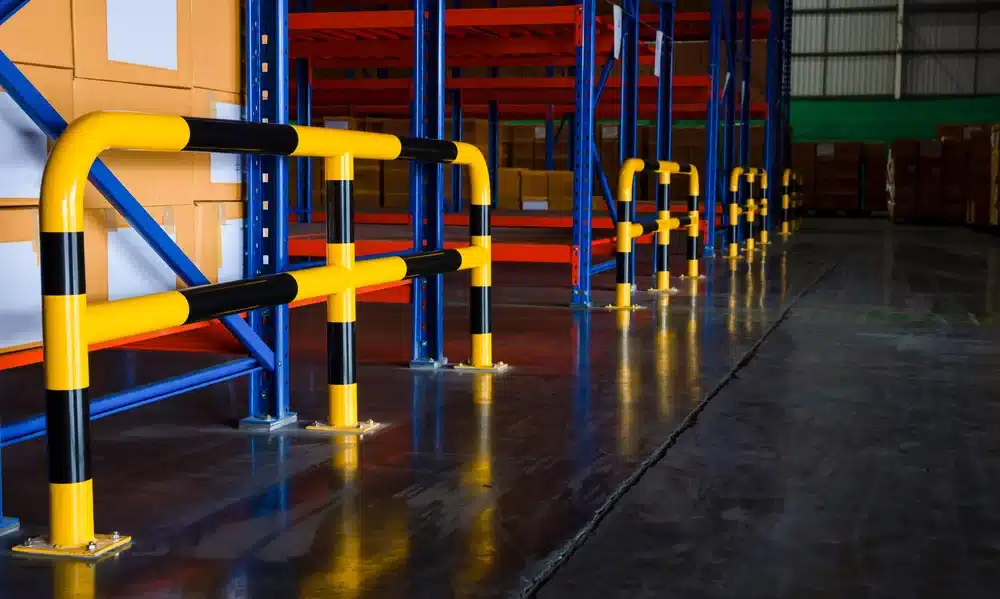
Loading area safety barriers are protective systems installed across openings to help prevent pedestrians, forklifts and material-handling equipment from reaching an exposed edge. They create a clear physical boundary when a trailer is not present or when loading and unloading activities are temporarily paused.
These barriers are available in several designs, including fixed guardrails, movable gates, retractable systems and impact-resistant barriers. Some models are operated manually, while others integrate with controls to help coordinate barrier position with trailer activity. Bright colors and warning markings can also improve visibility in busy facilities.
When selecting OSHA compliant loading area equipment, facilities should consider the barrier’s strength, height, ease of use and compatibility with existing operations. Barriers may also work alongside other loading bay accessories, such as lights, vehicle restraints, signs and alarms. Together, these solutions support an organized approach to controlling traffic and reducing fall hazards around strapping stations.
How Safety Barriers Help Prevent Falls
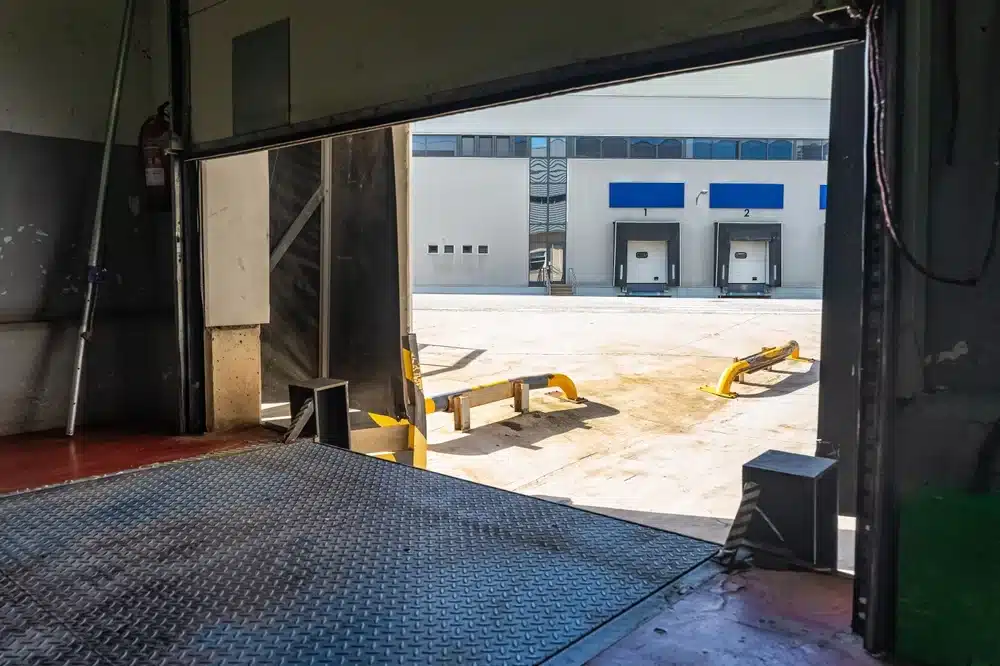
Safety barriers reduce the chance of a fall by creating a visible, physical stop between active work areas and an open edge. When a trailer is not positioned at the door, the barrier remains in place to help keep forklifts, pallet jacks and pedestrians from moving into the opening.
A loading area guardrail may use steel rails, reinforced mesh or another impact-resistant material to withstand contact and redirect traffic. Highly visible colors can alert employees to the boundary, while interlocked systems may prevent the door or leveler from operating until proper safety steps are completed.
Barriers also help facilities apply loading area fall protection requirements consistently across shifts and positions. However, their effectiveness depends on correct installation, routine inspections and employee use. Combining a barrier with driver communication, trailer restraints, floor markings and established procedures creates multiple layers of protection around one of a facility’s busiest areas.
Choosing the Right Barrier for Your Loading Area
Choosing the right barrier begins with reviewing how each position is used. Consider the height of the loading zone, frequency of trailer traffic, types of forklifts in operation and whether pedestrians regularly enter the area. The barrier should provide suitable strength and visibility without interfering with efficient loading procedures.
Facilities should also ask, do loading areas require fall protection? Requirements can depend on the work being performed, the fall distance and other site-specific conditions. OSHA generally requires fall protection at elevations of four feet in general industry, although particular loading activities and dockboards may be subject to exceptions or additional provisions. Occupational Safety and Health Administration
Before purchasing equipment, compare each product’s design and performance with applicable loading area fall protection requirements. Evaluate impact ratings, operating method, maintenance needs and compatibility with doors, levelers and vehicle restraints. A qualified safety professional can help confirm whether the selected barrier and operating procedures address the facility’s hazards.
Building a Safer Loading Area Environment
Building a safer loading environment requires more than installing a single piece of equipment. Facilities should combine loading area safety barriers with traffic routes, adequate lighting, visible signs and communication between employees and drivers. These measures can help reduce confusion and keep people and equipment away from exposed edges.
Regular inspections are also essential. Employees should check barriers, warning lights, vehicle restraints, levelers and doors for damage or improper operation before use. Any problem should be reported promptly, and affected equipment should remain out of service until it can be evaluated.
Training supports these physical safeguards by giving employees consistent procedures for positioning trailers and responding to unsafe conditions. Employers should review loading area fall protection requirements and update their programs as equipment, workflows or regulations change. Routine safety meetings, documented inspections and refresher training can reinforce expectations and create shared accountability throughout the facility.
Strengthen Safety at Every Loading Area
Loading areas and strapping stations will always involve movement, coordination and changing conditions, but the right safeguards can help reduce preventable risks. Safety barriers, employee training, regular equipment inspections and clear procedures work together to protect drivers, employees and material-handling equipment.
Truck Fall Prevention offers solutions designed to help facilities create safer loading environments and address exposed edges. By evaluating your current operations and selecting equipment suited to your facility, you can build a stronger, more consistent approach to fall prevention.